
Developing inner strength has been confused with endurance for a long time. The popular image involves gritting your teeth, saying nothing, and continuing regardless. That version produces exhausted people who mistake silence for stability. Real strength looks considerably less impressive from the outside. It shows up as recovering faster, asking for help earlier, and continuing after something genuinely went wrong. Those capacities are built rather than inherited, which is the useful part. They also build through ordinary weeks rather than dramatic ones. This article covers what actually produces durability, why toughness fails under sustained pressure, and how small recoveries accumulate into something reliable. None of it requires a crisis to practice. Most of it requires attention on an unremarkable Tuesday.

Three things carry most of the weight here. The first is an accurate reading of your own state, because you cannot manage what you have not noticed. The second is a set of recovery habits that work without motivation. The third is a support network you actually use rather than merely possess. Genuine emotional resilience depends far more on those three than on willpower. None of them sound heroic, which is why they get skipped. Notice how you speak to yourself after a bad day. Notice whether you sleep, eat, and move when things get difficult. Those responses predict recovery better than any personality trait. Build them while conditions are calm. Habits made in calm weather are the ones available later.
Toughness suppresses, while resilience processes. One works brilliantly for a short burst and poorly across a year. Suppressed difficulty does not evaporate; it accumulates somewhere less convenient. People who never admit strain often break suddenly rather than gradually. Resilient people look less impressive during the crisis and considerably better afterward. They name what is happening, accept help, and adjust their expectations without shame. Flexibility is the actual mechanism rather than rigidity. A tree that bends survives the storm that snaps a rigid one. Choose the response that leaves you functional next month. Short-term stoicism is an expensive strategy. Bending keeps you functional through a long winter.
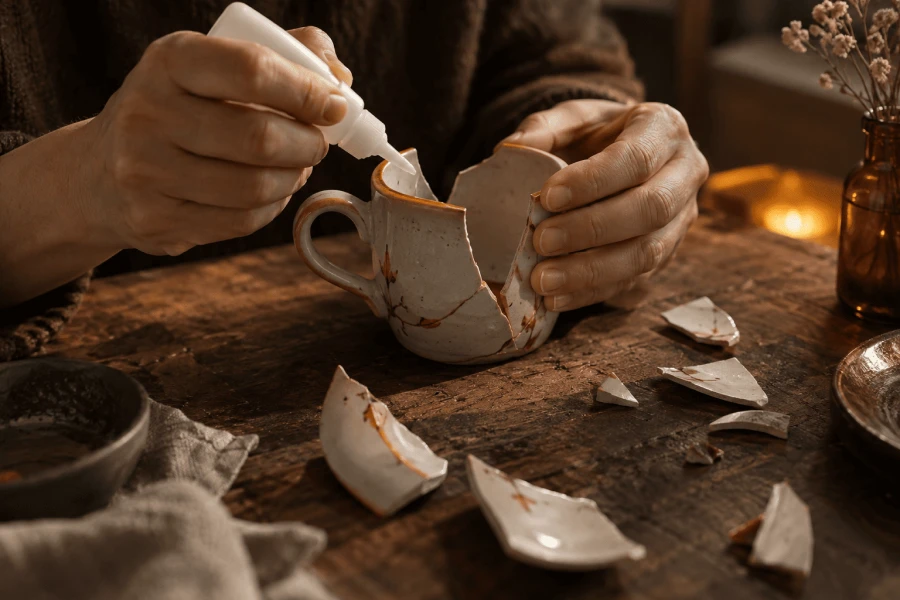
Capacity is built by repeatedly returning rather than by never falling. Each time you recover from something manageable, the process becomes more familiar. Missed a workout and returned the next day? That counts. Handled a difficult conversation badly and repaired it afterward? That counts more. Building personal growth habits means treating these returns as the practice rather than the failure. Keep a short record of things you recovered from this year. Reread it when something new knocks you over. Evidence of past recovery is what makes the next one believable. Nobody trusts a capacity they cannot remember using. Write it down while it is fresh. Memory edits the record, and paper does not.
Motivation is a feeling, and feelings are poor infrastructure. It arrives unpredictably and disappears exactly when conditions get hard. Practical self discipline means designing systems that function without enthusiasm. Decide in advance what the minimum version of each habit looks like. Two minutes of movement on a terrible day preserves the identity that twenty minutes would build. Remove friction from the things you want and add friction to the things you do not. Rely on the calendar rather than on how you feel at seven in the morning. Track completion rather than intensity. Consistency at a low level beats intensity at an unsustainable one. Systems carry you when enthusiasm does not.
Serious failures behave differently from minor setbacks. They arrive with shame attached, and shame produces isolation. Isolation then removes the exact support that would speed recovery. Break the sequence early by telling one person what happened. Separate the event from your identity, since bouncing back from failure depends on that distinction more than anything else. Ask what was within your control and what genuinely was not. Write the lesson down, then stop rehearsing the story. Give yourself a defined period to feel bad rather than an open one. Return to one small routine as the first step. Function returns before feeling does, and that order is normal. Act first and the mood usually catches up.

Some difficulties last months rather than days. Chronic pressure requires different tactics than acute shock. Protect sleep, movement, and one genuinely enjoyable activity as non-negotiable items. Lower your standards deliberately rather than failing to meet impossible ones. Ask for practical help with specific tasks instead of general sympathy. Speak with a doctor or therapist if low mood or exhaustion persists for weeks, because support genuinely helps. Readers who want a steadier daily practice alongside this may find the simple approach to a meditation habit useful. The bundle behind this article gathers practical resources on resilience, habits, and recovery in one instant download. Long seasons end. Your job is to arrive at the other side intact. Protect the basics and the season passes.







Leave a comment