
Starting a meditation practice goes wrong in a predictable way. Someone downloads an app, sits for twenty minutes, spends nineteen of them thinking about work, and concludes they cannot do it. The conclusion is wrong and the experience was completely normal. Attention wandering is not a sign of failure; it is the material the practice works with. Noticing the wandering and returning is the actual repetition being performed. Most beginners quit before anyone explains that. The other common mistake is starting far too long, which guarantees abandonment within a fortnight. This article covers what the practice really involves, how to begin at a size that survives, and what to do when a week goes badly. Two minutes is a legitimate starting point. Everything else grows from a session you can actually repeat. Small beginnings are the durable ones.
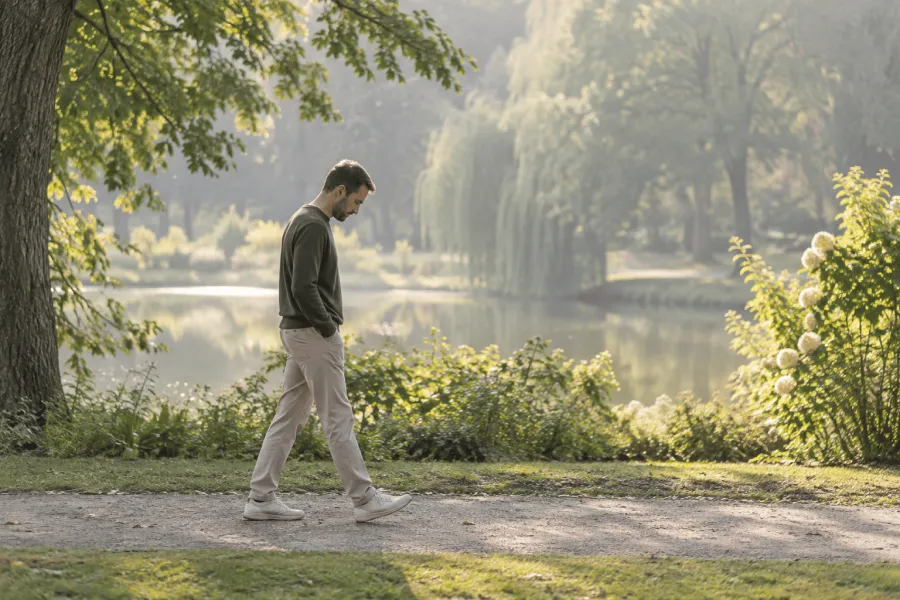
The instruction is simpler than the surrounding culture suggests. Choose something to rest attention on, notice when attention leaves, and bring it back. That cycle is the exercise, repeated for however long you sit. No special posture, cushion, or belief system is required. Sitting upright in an ordinary chair works perfectly well. Resources aimed at meditation for beginners often overcomplicate something genuinely plain. You are training the noticing muscle rather than achieving a blank mind. A blank mind is neither the goal nor particularly achievable. Expect thoughts, plans, and irritation to arrive constantly. Their arrival gives you something to practice with. Without distraction there would be nothing to train.
Beginners judge a session by how peaceful it felt. That measure rewards good days and punishes the ones where practice matters most. A restless twenty minutes containing forty returns of attention involved forty repetitions. A calm session with two returns involved two. The restless one was arguably more useful. Let go of the expectation that meditation should feel pleasant. Some sessions are boring, some are agitated, and a few are genuinely restful. Showing up is the variable you control. Judge the practice by consistency across weeks rather than by any single sitting. Feeling calm is a side effect rather than the target. Judge the habit rather than the session.
Ambitious beginnings are the leading cause of abandoned practice. Two minutes daily beats twenty minutes twice before quitting. Attach the session to something that already happens without fail. After the kettle boils, before opening the laptop, or immediately after brushing your teeth. Beginners often find guided meditation easier at the start, because a voice reduces the uncertainty. Use one for the first few weeks, then try a few minutes unguided. Extend the length only once the habit has survived a difficult week. Five minutes held daily outperforms thirty attempted occasionally. Small is the strategy rather than the compromise. Growth comes later and easily. Protect the habit before extending the length.

Three approaches cover almost everything a beginner needs. Following the breath is the classic, because it travels everywhere with you. Count four exhales and start again, which gives wandering attention a clear reference. Simple breathing exercises also calm the nervous system directly, which helps on anxious days. The second approach moves attention slowly through the body from feet to head. This scanning method suits people who find breath focus uncomfortable. The third is open awareness, noticing whatever arrives without following it. Try each for a week and keep whichever you return to. Preference matters more than theory here. The best technique is the one you actually do. Preference decides consistency more than method does.
Every practice meets illness, travel, deadlines, and disrupted sleep. Decide in advance what the minimum version looks like. Thirty seconds of attention to the breath keeps the habit alive. Missing a day means nothing, while missing a fortnight requires a restart. Return without any self-criticism, since guilt makes the next return harder. Keep the cue in place even when the practice shrinks. A short body scan lying down works on evenings when sitting upright feels impossible. Travel and busy periods are precisely when the habit repays the investment. Lower the bar instead of abandoning the floor. Continuity matters more than duration. The practice you resume easily is the practice that lasts.

The benefits appear outside the session rather than inside it. You notice irritation a moment earlier and respond slightly differently. A gap opens between something happening and your reaction to it. Sleep often improves, though this varies considerably between people. Speak with a doctor if you live with a mental health condition, since some practices need adapting. Readers wanting to extend attention into the rest of the day may find the approach to mindfulness off the cushion a natural next step. The bundle behind this article gathers practical resources on meditation, breathing, and daily practice in one instant download. Sit for two minutes tomorrow. Everything else follows from that. One repeatable session is the whole foundation.







Leave a comment