
The traditional route asks for patience most cooks do not have. Write two hundred posts, wait for search rankings, then hope an ad network approves you. Three years later the income might arrive. A growing group has abandoned that sequence completely. They sell recipes online as products from the first week, using a storefront rather than an archive. The economics differ sharply, and so does the timeline. This article explains how that model works, what the buyer expects in return, and which assets remove the longest delays. Nothing here requires a developer. Some of it requires taste, and that part stays with you. Everything else can be handed over.

Blogs monetize attention, which means they need enormous attention to pay anything. Products monetize intent instead. One reader who wants a weeknight dinner system is worth more than a thousand who scrolled past a photo. That difference explains the shift. A digital cookbook priced at fifteen dollars needs a few dozen buyers to beat a month of display advertising. Small audiences therefore become viable immediately. You stop chasing volume and start serving a specific cook with a specific problem. Search rankings still help, but they stop being the only door. Direct traffic from a short video works just as well. Intent beats reach in almost every case.
Publishing weekly forever exhausts most people within a year. A catalog behaves differently, because finished products keep earning after you stop adding to them. The asset pack ships a digital product collection written for this niche, covering recipe editions, seasonal titles, and planning tools. Each one is priced and ready to list. You can publish them as delivered, rename them, or rewrite sections in your own voice. A recipe ebook template structure sits behind each title, so future additions follow a pattern rather than starting blank. The store design carries them, with product pages, descriptions, and buy buttons already positioned. Nothing waits on a designer. Your calendar opens up considerably. Freedom to cook returns with it.
Profit hinges on three things: presentation, specificity, and repeat purchase. Presentation decides whether the price looks reasonable at a glance. Specificity decides whether the buyer believes it was written for them. Repeat purchase decides whether the business lasts beyond a launch. Generic collections fail all three tests simultaneously. A title aimed at one household size, one budget, or one season performs far better. Buyers searching for meal plan printables want their Tuesday solved, not a survey of world cuisine. Solve the Tuesday. Then solve the following week, and sell that too. Narrow beats broad at every price point.

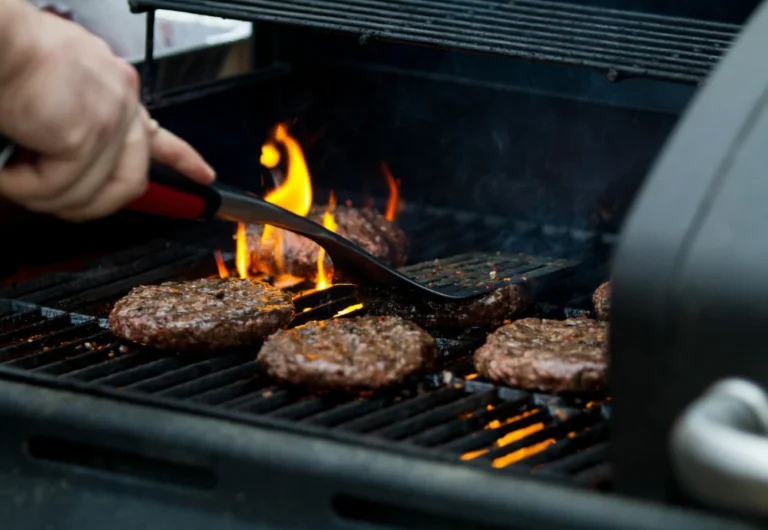
The photography question deserves an honest answer, because it stops many cooks before they begin. Food styling is a genuine skill, and learning it takes months. Hiring it costs more than most first products will earn. That gap is where the included image library matters, since every food photograph from the store design arrives as a separate high-resolution file. You can place those images on covers, product pages, social posts, and email headers without a single shoot. The visual standard stays consistent across everything you publish. Buyers register that consistency as professionalism, even if they never articulate why. Later, when revenue justifies it, you can photograph your own work and swap files. Starting is no longer blocked by a camera you do not own. The camera can wait until revenue arrives.
Pricing in this category usually settles between nine and twenty-nine dollars per title. Bundles push higher without adding fulfillment work, since delivery stays instant. Refunds remain rare when the product page describes the contents plainly and shows interior pages. State the number of recipes, the format, and the device compatibility directly. Ambiguity causes far more disputes than price does. The storefront publishes on Shopify, WooCommerce, Wix, or a custom build, because it ships as clean HTML. Any developer can move it in an afternoon if you prefer a specific platform. Most sellers never need one. Complexity here is usually self-inflicted. Keep the stack small and ship.
The buyer is rarely a curious browser. She is a person deciding what to cook within the next hour. That urgency shapes everything about the product. Long introductions annoy her. Ingredient lists she cannot shop locally annoy her more. Give her substitutions, timings, and a list she can use tonight. Household size matters too, since most collections quietly assume four people. Naming the audience on the cover raises conversion noticeably. Specific readers feel seen, and feeling seen closes the sale. Write for one kitchen rather than for everyone.

Longevity comes from treating this as publishing rather than launching. Release a title, promote it for a month, then release another. Short video suits cooking naturally, since process holds attention without narration. A cooking content creator can reuse one recipe across a dozen clips before it feels tired. Email carries the rest of the work, because subscribers buy repeatedly over years. Offer one free title in exchange for an address and stay in contact seasonally. Sellers who sell recipes online at a steady rhythm build income that survives algorithm changes. Track which titles convert and write adjacent ones. Results depend on effort and market conditions, and no asset pack guarantees sales, but the production bottleneck disappears. Consistency outlasts every algorithm change.






Leave a comment