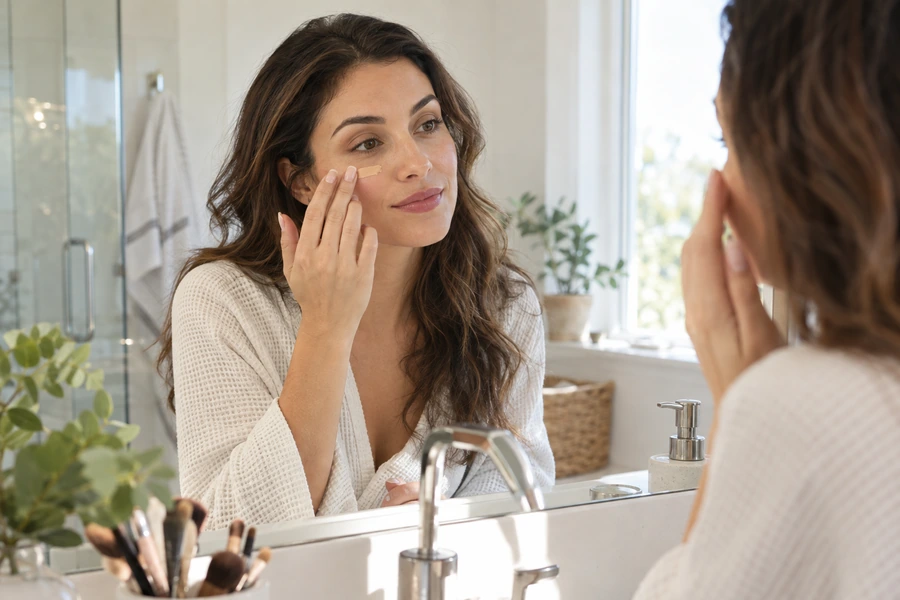
The goal is looking like yourself on a very good day, yet natural makeup somehow ends up heavier than intended. Light coverage turns cakey, the glow disappears by lunchtime, and foundation clings to dry patches. Most of those problems begin before any color is applied at all. A collection of bronzers and tints means nothing without a method connecting them. This bundle supplies exactly that: four resources covering the full system. Three step-by-step guides and one preparation checklist arrive as instant PDFs. You read them on any device, keep them for life, and start immediately. This article covers what is inside and why preparation decides everything.

Skipping preparation is the single most common mistake. Foundation clings to dry patches because nothing smoothed them first. Product slides off by noon because the surface was never balanced. More coverage gets added to fix texture, which only makes things heavier. Proper skin prep solves most of these problems before they appear. Hydrated skin holds everything better and needs less product. Priming targets shine and texture rather than the whole face. Thin layers build far better than thick ones. Less product genuinely delivers more polish. Preparation is where a natural look is actually made. Everything applied afterward simply sits on the work already done. Skipping that stage guarantees the finish will disappoint.
The foundation guide teaches the philosophy of restraint and how to prep so coverage stays light. It also covers shaping brows, eyes, and lips without tipping into heaviness, closing with a seven-day challenge. A second guide handles warm, sunkissed radiance, including exact bronzer placement and the balance between blush and highlighter. A third covers the satin finish sitting between matte and dewy, which flatters almost everyone. Priming, foundation choice, tools, and setting are all addressed without killing the dewy skin effect. The eight-step preparation checklist ties everything together. All four download instantly as PDFs.
Everything starts on clean, properly hydrated skin. Exfoliation happens earlier in the week rather than immediately before. Moisturizer must absorb fully before anything goes over it. Primer targets only the areas that need it. Base products go on thin and get built where necessary. Cream formulas blend into skin rather than sitting on top. Correct bronzer placement creates warmth without muddiness. Blush and highlighter balance each other rather than competing. Setting happens selectively, preserving glow where you want it. A satin finish holds far longer than a heavily powdered one.
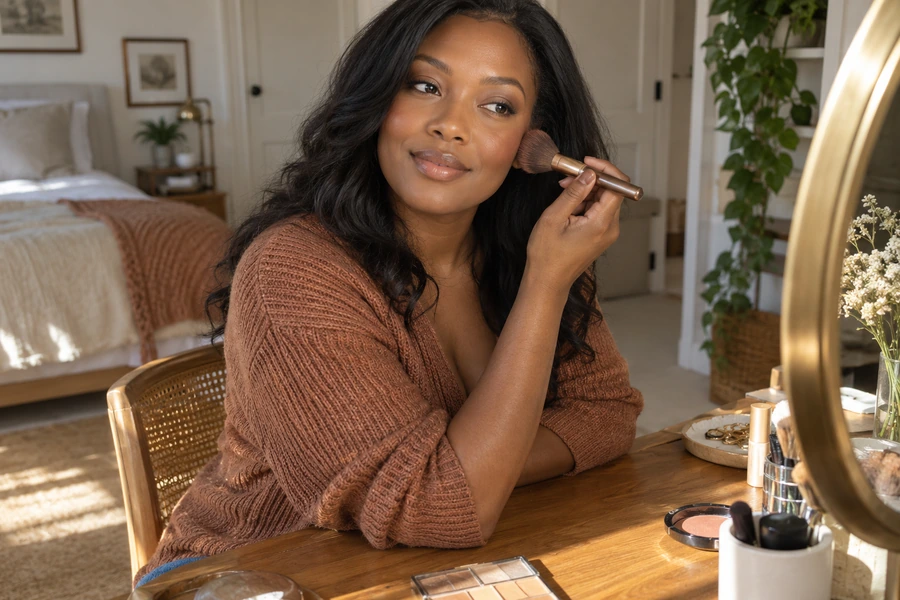
Anyone whose light coverage keeps reading as heavy gains immediately. People with dry patches learn why texture shows through. Anyone whose glow vanishes by midday finds the longevity answers. Beginners get a restrained starting point instead of a full-glam tutorial. Owners of unused bronzers finally learn how they work together. Office workers get something polished but appropriate. Anyone photographed often benefits from a finish that reads well on camera. Mature skin suits this approach particularly well, since thin layers settle far better than heavy ones. Anyone with sensitive skin appreciates using fewer products overall. Anybody wanting to look rested rather than made-up is the target reader.
Hiding a face is easy, while enhancing one requires actual judgment. Knowing where to stop is the hardest technique to learn. Thin layers demand better preparation and better blending. Placement replaces quantity as the deciding factor. Tools matter more when there is less product to hide behind. The result looks effortless precisely because it was considered. Practice makes the routine faster rather than more elaborate. A seven-day challenge builds the habit properly. Confidence grows as the look becomes predictable. Understated done well beats heavy done perfectly. Restraint reads as confidence in a way coverage never does. Learning where to stop is the skill that carries into every other look.
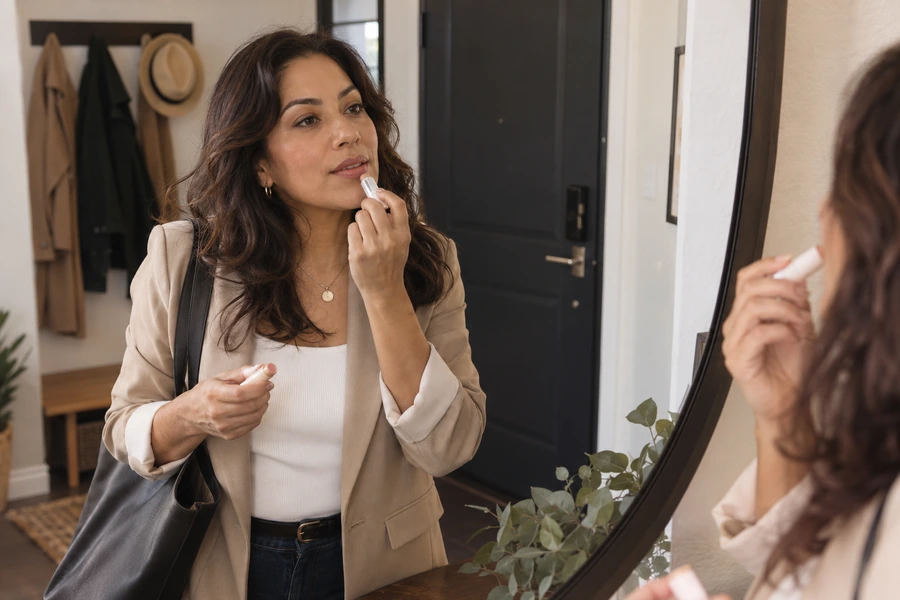
Access arrives instantly, with no shipping and nothing to wait for. All four PDFs download together and open on any device. You tick the preparation checklist before touching a single product. The foundation guide comes first, then the finish that suits you. Lifetime updates keep the material current as formulas change. A thirty-day guarantee covers you if it is not what you expected. Nothing expires, so the guides remain useful for years. The seven-day challenge turns reading into an actual habit. By the end of that week the steps feel automatic. Your existing products finally start working together properly. One evening of preparation changes every morning that follows it. Ten minutes of prep tomorrow shows the difference immediately. Most readers see it in how the base sits by midday. The routine you kept postponing can start tomorrow.







Leave a comment