
Meal planning with AI sounds like a gimmick until you watch what it removes. The weekly shop stops being guesswork and the fridge stops producing forgotten vegetables. Households generate a substantial share of global food waste, and most of it comes from good intentions that expired. Grocery prices have kept climbing, which makes waste expensive as well as wasteful. A planning assistant does not cook anything or shop for you. What it does is turn your constraints into a structured week in a few minutes. The quality of that week depends entirely on what you tell it. This article covers what to include in the request, how to plan around what you already own, and where human judgment still decides. The tool handles structure while you keep the decisions. That division is what makes it work.

The saving is mental rather than culinary. Deciding what to eat is a recurring task that quietly consumes attention every day. A structured weekly meal plan answers the question once instead of seven times. It also produces a consolidated shopping list, which shortens the trip considerably. Fewer trips mean fewer impulse purchases and less forgotten produce. Cooking becomes easier because the ingredients are already present. The decision moves to Sunday, when you have the capacity to make it. Nothing about the food changes dramatically. The experience of the week does. That difference is the whole value. A quieter week is worth more than a clever recipe.
Vague requests produce generic plans that nobody follows. Include the number of people, the available cooking time each evening, and any dislikes. State your budget range and the shops you actually use. Mention equipment, since a plan full of oven dishes fails without an oven. Ask for a consolidated grocery list organized by aisle rather than by recipe. Specify that some evenings need twenty-minute meals and others allow more. Request leftovers to be built into the following day deliberately. Ask it to reuse ingredients across dishes to reduce the list length. Specificity here is the difference between a usable plan and a fantasy. Tell it the truth about your week.
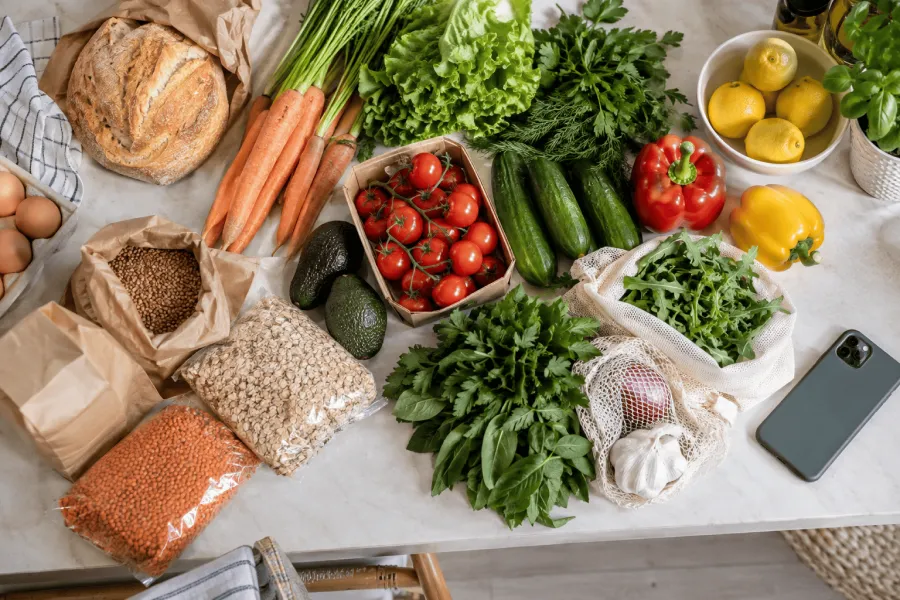
Most plans ignore the food already sitting in your kitchen. Starting from what you have inverts the usual order and saves real money. Do a quick pantry inventory before asking for anything, listing what needs using first. Tell the assistant to build around those items and add only what is missing. Half-used jars, tired vegetables, and freezer contents all count as starting material. Ask what can be made from a specific list before considering new recipes. Repeat the process weekly and the cupboard stops accumulating strays. This single habit produces most of the financial benefit. It also shortens the shopping list noticeably. Fewer items usually means less waste.
A list organized by recipe forces you to walk the shop repeatedly. Grouping by category cuts the trip and reduces impulse buying. Ask for produce, dairy, tinned goods, and frozen items separated clearly. Check the list against your inventory before leaving, which prevents duplicate purchases. Buy the quantities the plan specifies rather than rounding upward optimistically. Oversized packs are only cheaper when you use all of them. Keep the list on your phone rather than rewriting it. Shopping once per week beats several small trips for both cost and time. Structure at this stage protects the whole plan. Most failures happen in the shop rather than the kitchen.
Households rarely eat identically, which defeats most rigid plans. Ask for meals with a shared base and separate additions instead. A grain bowl, a traybake, or a pasta dish all adapt easily to different preferences. State allergies explicitly and verify every suggestion yourself, because this is not a matter for trust. Speak with a doctor or a registered dietitian about specific dietary requirements or medical conditions, since nothing here is nutritional advice. Ask for child-friendly versions rather than separate children’s meals. Build in one flexible evening for leftovers or improvisation. Serious progress on reducing food waste becomes much easier once that flexible slot exists. Plans with slack survive real weeks. Rigid plans break on the first unexpected evening.

These tools produce confident suggestions regardless of accuracy. Cooking times, portion sizes, and substitutions all deserve a sceptical read. Check anything involving raw meat, preserving, or allergens against a reliable source. Ignore suggestions that do not match how your household actually eats. Keep the plans that worked and reuse them, since novelty is overrated on a Tuesday.
Readers who want the cooking side simplified as well may find resources like cozy potato dinners for busy weeknights and easy weeknight dinners without the stress a natural companion to a calmer routine. Better organization also supports consistency, which is why kitchen organization ideas that last can help create a practical foundation. The bundle behind this article gathers practical resources on planning, shopping, and weekly routines in one instant download. The assistant handles structure. You still decide what your family eats. Judgment is the part that never gets delegated.







Leave a comment