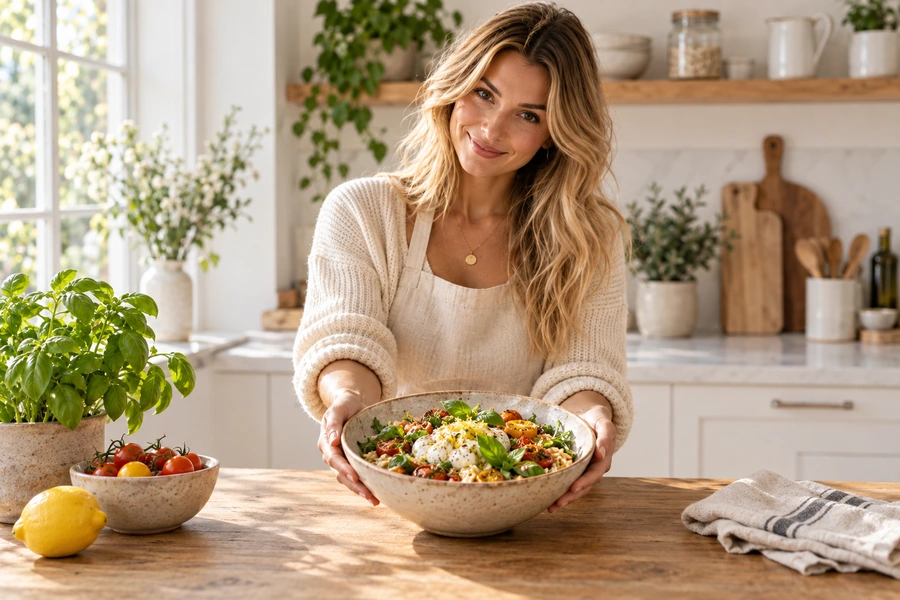
Most food sites are built backward. The writer publishes for two years, applies to an ad network, and discovers the payout barely covers hosting. Only then does a product appear, usually rushed. Reversing that order changes everything. Food blog monetization works best when something is already for sale on the day the first reader arrives. The content then has a destination, and every visit carries commercial value. This article sets out how that structure works, what the reader expects from it, and which assets let a solo writer launch with a shop already attached. The approach suits small audiences unusually well. Small lists convert far better than large ones. The reversal costs nothing to try.
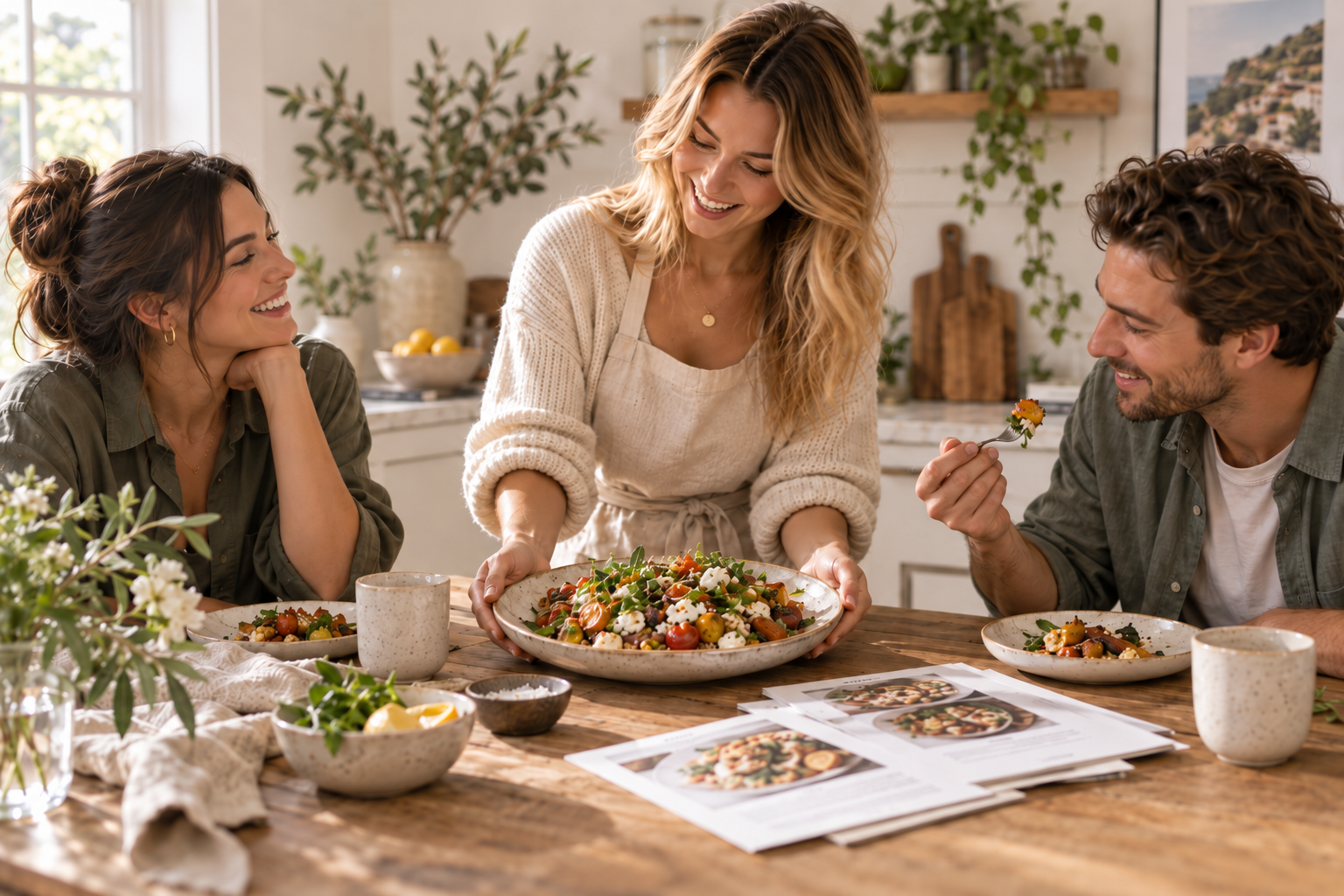
Display advertising pays by the thousand impressions, which is brutal arithmetic for a new site. Five thousand monthly readers might produce twenty dollars. Affiliate links help slightly, but they send your reader to somebody else’s checkout. Sponsorships require a media kit and a following you do not yet have. Every one of those routes depends on scale arriving first. Owned products break that dependency, because margin per reader rises dramatically. Writers researching how to make money food blogging usually find the same three tactics repeated. The fourth option, selling your own titles, rarely gets the same attention. It deserves more. Ownership changes the arithmetic entirely.
A shop attached to a food site does not need to be elaborate. It needs to be finished. Half-built product pages destroy confidence faster than no shop at all. The asset pack supplies a complete HTML storefront with homepage, product pages, and editorial sections already written for this niche. A brand mark ties the site, the covers, and the social profiles together. The image library delivers every food photograph as a separate high-resolution file for reuse across posts. Writers who dread recipe website design skip the hardest stage completely. The layout holds up on phones, which is where most cooking traffic actually reads. Everything remains editable if you want a different palette. Publishing takes an evening rather than a quarter.
Removing ads improves the reading experience and the revenue simultaneously. Pages load faster. Recipes stay readable on a phone propped against a bowl. Trust rises, because nothing competes with your voice on the screen. In their place, one clear offer sits at the end of each post. That offer should extend the post rather than repeat it. A reader who just cooked one dinner will happily buy a month of them. Selling your own titles also survives platform changes, since nobody can demonetize a file you own. Ad networks can and do change terms overnight. Ownership is the quiet advantage here.

Search still matters, and it should shape the catalog rather than the other way around. Watch which posts bring steady traffic across several months. Those topics have proven demand and deserve a paid companion. Somebody arriving for a single technique will often pay for the complete collection around it. Writers who study seo for recipe blogs already collect this data without realizing it doubles as market research. Titles built from real queries convert better than titles built from enthusiasm. Publish the free version, then sell the deeper one. Keep both honest, because a thin paid product poisons the relationship permanently. One disappointed buyer tells more people than ten satisfied ones. Quality protects the whole catalog.
Cooking readers are impatient by circumstance, since they are usually mid-task. Slow pages lose them instantly. Clean markup and properly sized images solve most of that problem before you touch a plugin. The supplied storefront ships as standard HTML, so it stays fast without heavy page builders. Mobile layouts already work, which removes a common source of abandoned carts. Trust signals matter alongside speed. Show the interior of each product, state the format plainly, and publish a refund policy you intend to honor. Sellers listing kitchen niche products alongside digital titles should keep the same clarity across both. Confusion costs more than competition does. Clarity is the cheapest conversion tool available.
The recipe page is a doorway, not a destination. Readers arrive for one dish and leave within minutes unless something else holds them. Newsletters, seasonal collections, and planning tools all extend that visit into a relationship. Each extension should feel like a natural next step rather than an interruption. A weeknight dinner post leads cleanly into a month of weeknight dinners. A holiday bake leads into a seasonal edition. Place those offers where the reader finishes reading, not above the recipe. Respect for the reader converts better than aggression. Traffic then becomes an asset instead of a vanity number. Owned products turn every visit into a possible sale.
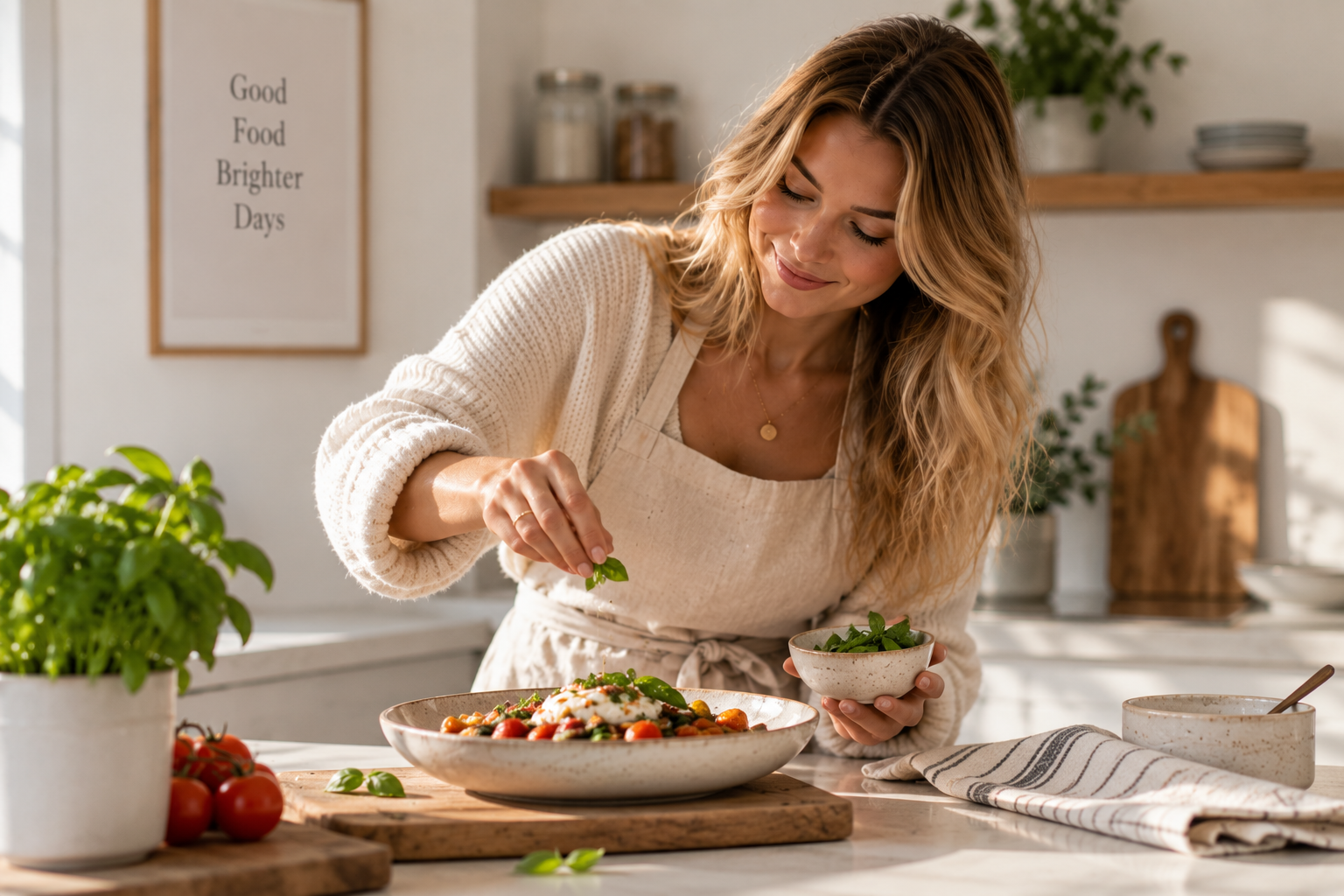
Compounding happens through the email list, not the homepage. Offer a single free title in exchange for an address and deliver it immediately. Then write seasonally, sell occasionally, and stay useful in between. A list of two thousand engaged cooks outperforms a hundred thousand passive readers.
Food blog monetization at that scale becomes predictable rather than hopeful. Add one product each quarter and retire the ones that stop selling. Reuse the image library for every campaign so the brand stays recognizable. Seasonal collections based around ideas like comfort soup recipes for chilly nights, cozy dinner ideas for the whole week, or easy dinner side dishes for any meal can keep audiences returning throughout the year. Track revenue per subscriber, since that number tells the truth about growth. Outcomes vary with effort and market conditions, and no bundle guarantees income, but the launch stage no longer takes a year. Patience remains part of the model.






Leave a comment