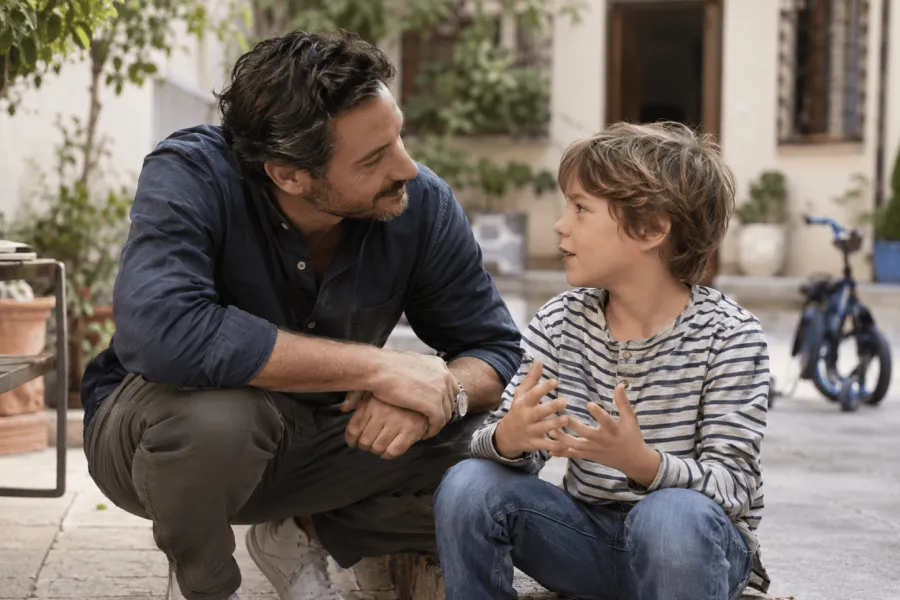
Raising confident kids looks, from the outside, like a series of achievements. Trophies, certificates, and applause suggest that confidence arrives through visible success. The reality is considerably less photogenic. Confidence grows in ordinary moments when a child feels capable, safe, and genuinely seen. It grows when a parent stays calm during a meltdown rather than fixing it instantly. It also grows when a child fails at something and discovers the world continues normally. None of that appears in a school newsletter. This article covers why praise often backfires, what to do with enormous feelings, and how small responsibilities build self-belief faster than encouragement does. The approach asks for patience rather than technique. It works slowly and then becomes visible all at once.
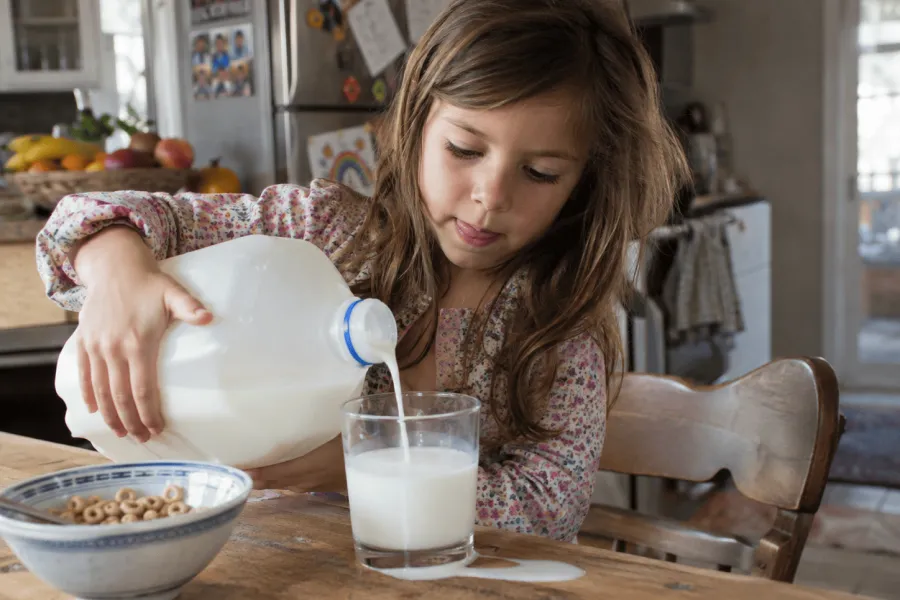
Constant praise feels supportive and often produces the opposite result. Children who hear that everything is amazing learn to doubt the feedback entirely. Praise aimed at ability also teaches that the ability is fixed and therefore fragile. A child praised for being clever avoids difficult tasks that might disprove it. Describing effort, strategy, and persistence works far better. Saying that you noticed how long they kept trying gives them something repeatable. Many parents exploring gentle parenting arrive at this shift naturally. Accurate feedback builds trust in your judgment as well. Children believe adults who notice specific things. Vague enthusiasm teaches them to discount you. Specific observation keeps your feedback worth hearing.
A meltdown is a nervous system overwhelmed rather than a behavior problem. Children cannot reason while flooded, which is why explanations land badly mid-storm. Your calm presence does most of the regulation for them. Lower your voice, come down to their level, and name what you see happening. Teaching children to handle big emotions in children starts with letting the wave pass before teaching anything. Conversation belongs afterward, once the body has settled. Consequences can still exist; they simply work better applied calmly. Children learn regulation by borrowing yours repeatedly. Over years, they internalize the pattern. That borrowed calm becomes their own. Regulation transfers through repetition rather than instruction.
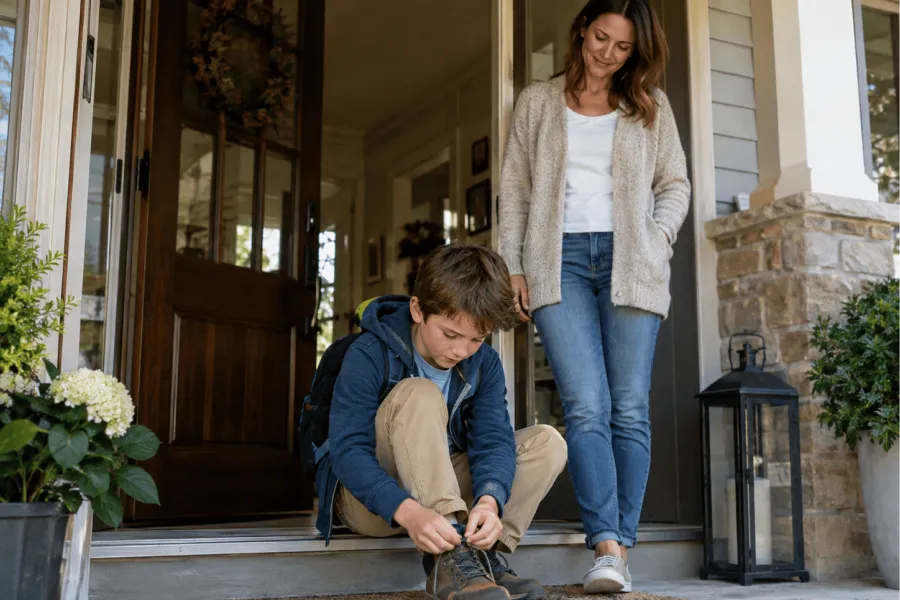
Competence produces confidence far more reliably than reassurance does. A child who can pour their own drink believes something true about themselves. Age-appropriate jobs exist at every stage, from carrying plates to managing a bus route. Resist the urge to redo the task to adult standards afterward. Visible correction communicates that the effort was not good enough. Practical work on building self esteem in kids usually comes down to handing over more than feels comfortable. Let them struggle briefly before stepping in. The pause before rescue is where learning happens. Capability accumulates through hundreds of small completed tasks. None of them look significant on the day. Competence accumulates quietly in the background.
Children absorb comparison even when nobody says it directly. Siblings notice the tone used for each of them across a normal week. Classroom rankings, sports teams, and social media add constant external measurement. Your job is to be the one place where comparison stops. Describe growth against their own earlier performance rather than against anyone else. Avoid using a sibling as a benchmark, however casually it is meant. Persistent worry deserves attention too, and signs of childhood anxiety that interfere with school, sleep, or friendships are worth discussing with your pediatrician. Early support works well and costs little. Home should feel like the safest audience they have. That safety is what allows risk-taking elsewhere.
Protecting children from disappointment removes the practice they need most. A child who never loses cannot learn that losing is survivable. Let small failures happen while the stakes remain low and support remains close. Resist solving the problem before they have attempted it. Ask what they might try next rather than supplying the answer. Share your own mistakes honestly, including the ones that still sting slightly. Children who believe adults never fail conclude that failing is shameful. Recovery, not avoidance, is the skill being built here. Confidence is largely the memory of having coped before. Each survived disappointment adds to that store. Resilience gets assembled from ordinary setbacks.
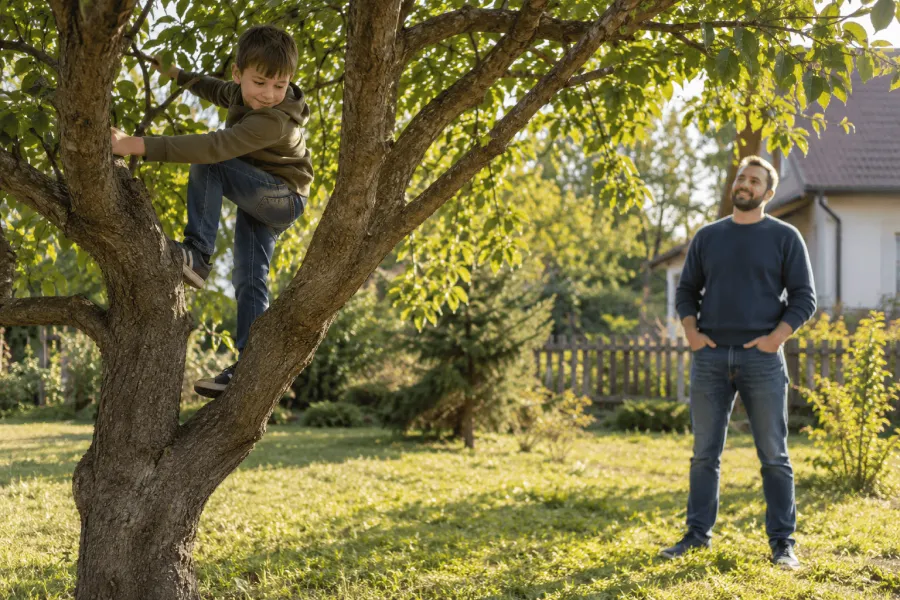
No single conversation transforms a child’s self-belief. The work is cumulative, undramatic, and mostly invisible while it happens. Consistency in how you respond matters more than any individual response. Repair quickly when you handle something badly, because children learn enormous amounts from watching that. Protect unstructured time, since confidence also grows through play nobody supervised. Families working on calmer mealtimes and steadier routines often notice the same effects appearing, and the work on parental energy supports all of it. The bundle behind this article gathers practical resources on emotions, routines, and calm parenting in one instant download. Choose one habit and hold it for a season. Children change in retrospect rather than in real time. Trust the direction even when a week looks flat.







Leave a comment